Belarus Registers Two Crypto Banks Under New Regulatory Framework
MissedBlock Desk · Sep 28, 2026 · 2 min read
Updated Sep 28, 2026
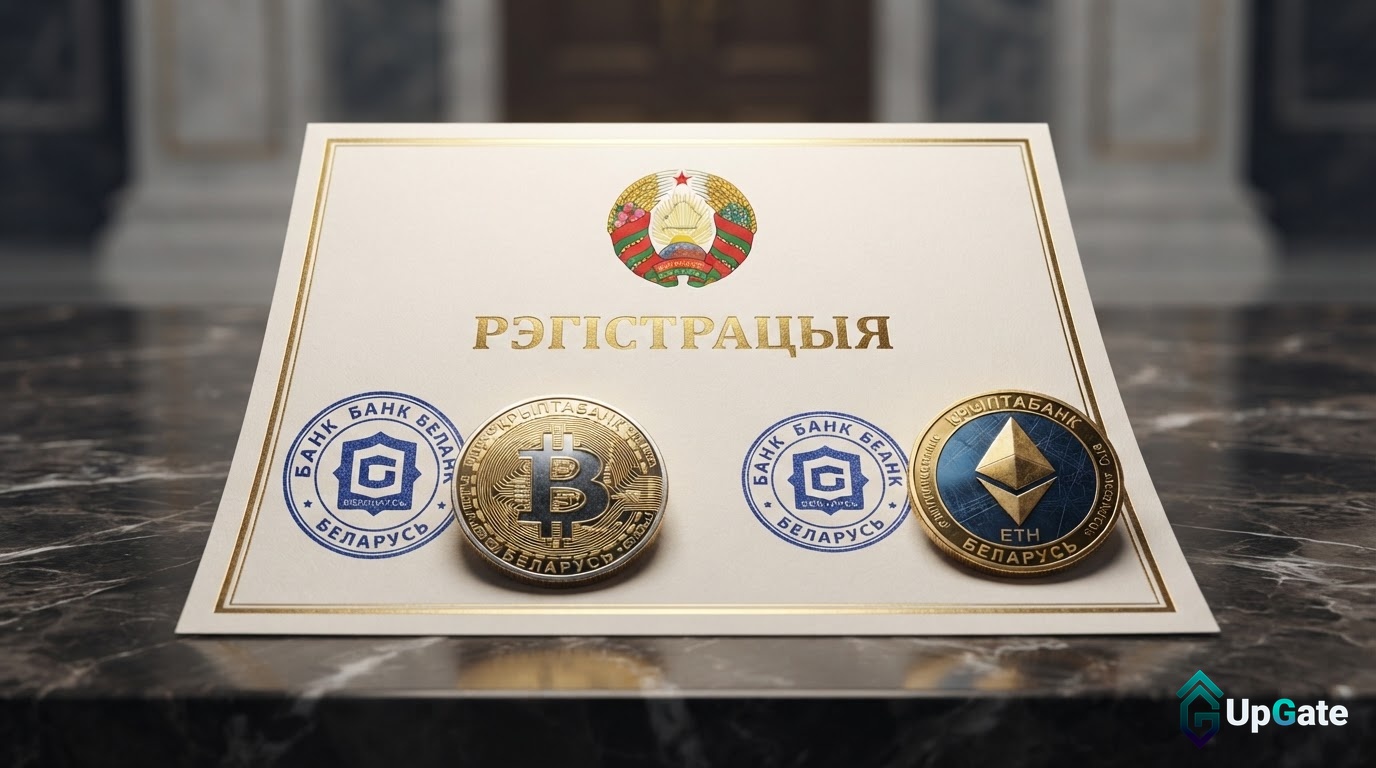
Belarus has registered two crypto banks as residents of its High-Tech Park (HTP) on September 28, 2026, a development that integrates digital asset operations with traditional banking services under a new regulatory framework. This initiative is a product of Presidential Decree No. 19, signed on January 16, 2026.
The newly registered institutions are structured as joint-stock companies and will be jointly overseen by the HTP administration and the National Bank of the Republic of Belarus. Their core function is to merge digital token transactions with conventional banking services. However, full operations are contingent upon these entities securing approval and being listed on the National Bank’s register of authorized entities.
Presidential Decree No. 19, which established this new regulatory environment, saw its key provisions take effect around July 2026, following a six-month period for drafting supporting regulations. The decree mandates that crypto banks must be residents of the HTP and operate as joint-stock companies.
Belarus has a history of fostering a crypto-friendly environment. A 2017 decree legalized cryptocurrency activities and provided tax exemptions for crypto businesses within the HTP through 2023. The current strategy channels digital asset activity toward state-sanctioned entities, aiming to establish clear regulatory obligations.
The identities of the two registered crypto banks remain undisclosed. Their operational launch is anticipated in the latter half of 2026, pending the National Bank’s approval. The HTP, established in 2005, serves as a regulatory sandbox with tax incentives and specific oversight mechanisms.
This initiative by Belarus is notable for explicitly merging crypto and banking licenses into a single institutional category, distinguishing it from other global regulatory approaches to cryptocurrency. The final operational launch awaits the National Bank’s review and listing process.
Why This Matters
Belarus’s registration of two crypto banks signifies a deliberate move to formalize its digital asset sector by integrating it with traditional banking under a state-sanctioned framework. This approach, established by Presidential Decree No. 19, aims to channel crypto activities through regulated entities, providing clear obligations rather than allowing them to operate in less defined spaces. The country’s prior legalization of crypto activities in 2017 and the establishment of the HTP in 2005 underscore a long-term strategy to position itself as a jurisdiction for digital asset operations.
Broader Context
Source materials place the factual news in this context: The HTP functions as a regulatory sandbox with its own set of tax incentives and oversight mechanisms.