Binance Hack Attributed to North Korea; Market Shows Volatility and Security Concerns
Published
The FBI has attributed a $6.3 billion hack on the cryptocurrency exchange Binance to North Korea, a claim that Pyongyang has vehemently denied.
MissedBlock Desk · 3 min read
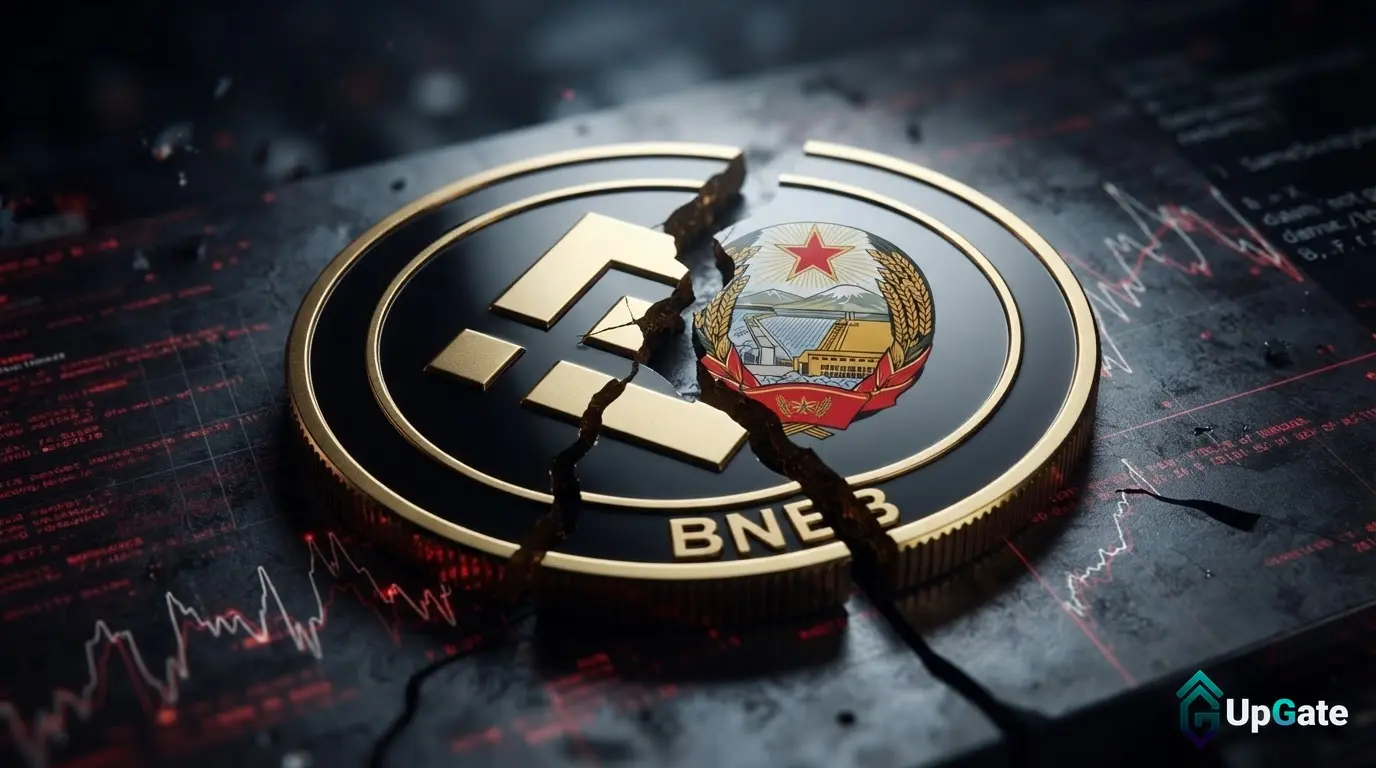
The FBI has attributed a $6.3 billion hack on the cryptocurrency exchange Binance to North Korea, a claim that Pyongyang has vehemently denied. This significant security breach has ignited discussions about market confidence and the security infrastructure within the digital asset space, leading to immediate market sell-offs before a partial recovery.
The hack, which occurred on Thursday, saw attackers abscond with a substantial amount of funds. In response, the FBI pointed to North Korea, a state frequently accused of orchestrating cyberattacks to fund its regime. However, Kim Yo Jong, sister of North Korean leader Kim Jong Un, dismissed these allegations as “absurd rhetoric.”
The news of the hack and its attribution had an immediate impact on the cryptocurrency market. By early Friday, Bitcoin had fallen below $77,000, and Binance’s native token, BNB, experienced a drop of more than 8% over a 24-hour period. This sell-off underscored the market’s sensitivity to major security incidents and geopolitical tensions.
Despite the initial downturn, the total cryptocurrency market capitalization showed signs of resilience. By Wednesday, the market had rebounded by 2% over the preceding 24 hours, reaching approximately $2.63 trillion. This recovery followed a weekly low of about $2.55 trillion earlier in the day, leaving the market about $100 billion below its Oct. 28 level.
Analysts suggest that such events, while causing short-term volatility, also highlight the importance of robust security measures. According to Grayscale’s head of research, Zach Pandl, recent outflows from US spot Bitcoin exchange-traded funds were “related to a short-term risk-off environment rather than a structural change in institutional sentiment.” This perspective suggests that institutional investors are reacting to immediate risks rather than fundamentally altering their long-term outlook on the market.
The incident also brings into focus the role of institutional custody solutions, such as those offered by US-based crypto exchange-traded products. These products typically hold assets with state-chartered banks and qualified custodians, employing measures like offline storage, multi-signature wallets, SOC attestations, and insurance policies. These safeguards are designed to mitigate risks associated with centralized exchange hacks.
While Binance has pledged to cover all customer losses resulting from the hack, the event serves as a stark reminder of the ongoing security challenges in the cryptocurrency industry. The attribution to a state actor, coupled with the market’s volatile reaction and subsequent recovery, presents a complex picture of risk and resilience. The full extent of confidence loss in crypto markets and the ultimate effectiveness of strengthened security practices across exchanges remain uncertain.
Broader Context
Source materials place the factual news in this context: Binance suffered a record $6.3 billion hack Thursday and pledged to cover all customer losses.
Why This Matters
The Binance hack, attributed by the FBI to North Korea, underscores the significant security vulnerabilities and geopolitical risks within the crypto market. The event coincided with immediate market volatility, with Bitcoin and BNB prices dropping, followed by a partial recovery, highlighting the market’s sensitivity to such incidents and the ongoing debate around security infrastructure and institutional custody.