Bitcoin Dips as Washington Power Shifts, Trump's Crypto Plans Uncertain
Published
Bitcoin's price dipped toward $75,700 as Democrats secured control of the Senate in the 2026 midterm elections, introducing fresh uncertainty for President Trump's cryptocurrency agenda.
MissedBlock Desk · 4 min read
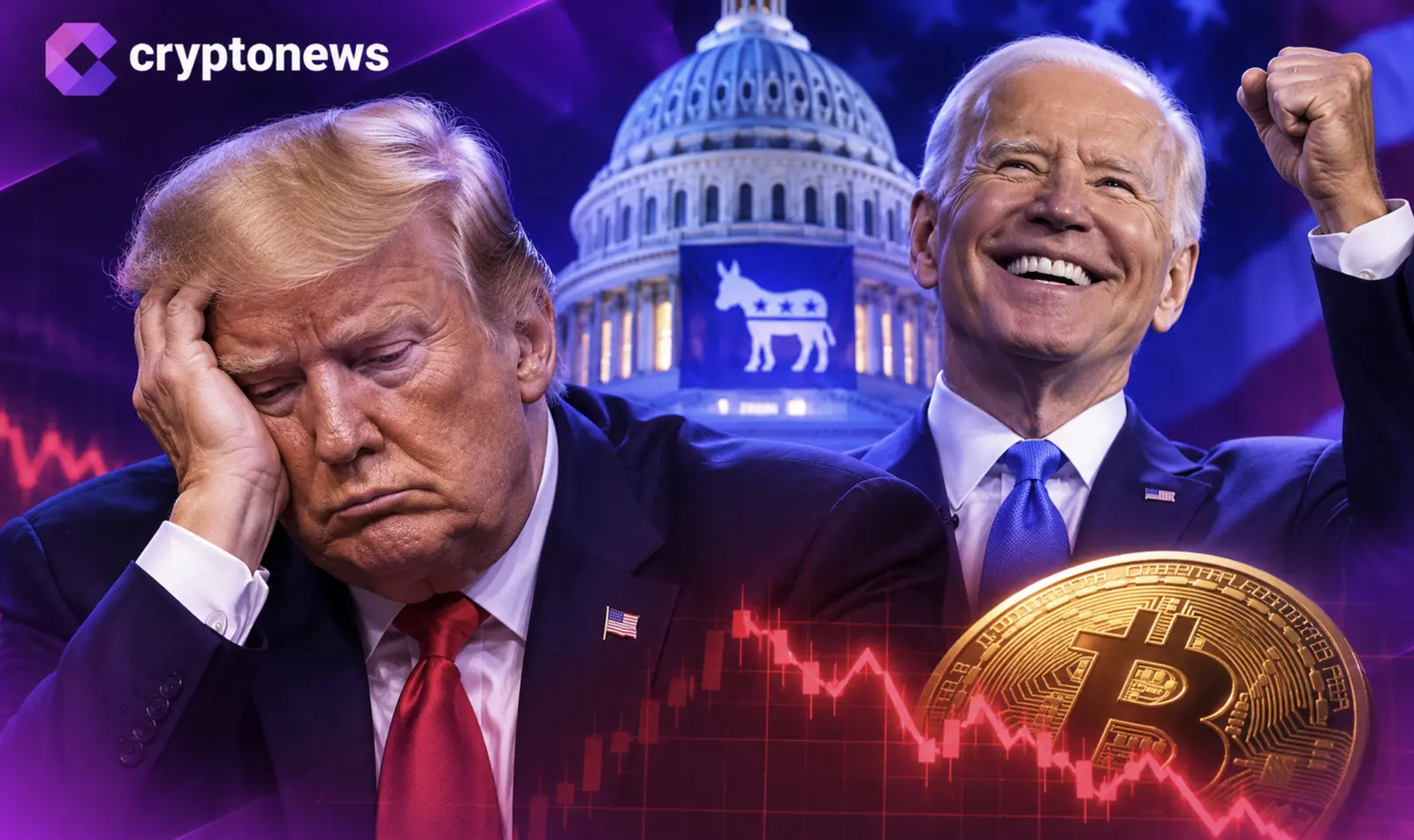
Bitcoin’s price dipped toward $75,700 as Democrats secured control of the Senate in the 2026 midterm elections, introducing fresh uncertainty for President Trump’s cryptocurrency agenda. The digital currency has since recovered to $77,700 during Asian trading hours, but remains under pressure amid a plunge in Nasdaq futures and a reassessment of Washington’s political equilibrium by investors.
Democrats clinched the Senate majority in a decisive rebuke to President Donald Trump, winning critical races in Texas, Ohio, North Carolina, Kansas, and South Carolina. The outcome for the House of Representatives remained highly competitive, with Democrats also registering significant gains.
This electoral result poses a challenge to Trump’s efforts to establish clearer cryptocurrency regulations. Bitcoin’s price weakness now reflects both a general aversion to market risk and concerns that Congress might delay legislation intended to create a federal framework for digital assets.
Market Reaction
Bitcoin experienced a brief decline of over $2,000 after initial election results indicated a Democratic victory, falling from nearly $78,000 to the $75,000 level. Buyers re-entered the market shortly thereafter, pushing BTC back toward $77,700 this morning.
The sell-off was not confined to cryptocurrency markets. Nasdaq 100 futures dropped as much as 2.3%, while S&P 500 futures fell 1.3% as investors reacted to the prospect of increased oversight for technology companies and AI infrastructure projects.
The dollar also weakened, and the 10-year Treasury yield slipped six basis points to approximately 4.90%. These movements fueled concerns that a Democratic-controlled Congress could curtail Trump’s tax and spending initiatives while intensifying regulatory scrutiny across various sectors.
Bitcoin’s decline occurred after an already challenging period for digital assets. The cryptocurrency had previously fallen below $77,000 earlier in the week amid weakening technology stocks and a reduction in investor exposure to riskier assets.
The election introduces an additional layer of uncertainty, although Bitcoin’s recovery from its overnight low suggests that market participants have not entirely abandoned the sector.
Regulatory Hurdles
The most significant crypto-specific concern centers on the Digital Asset Market CLARITY Act, which aims to define clearer rules for digital assets and delineate oversight responsibilities among U.S. regulators.
This legislation failed to advance past a procedural vote in the Senate in September, falling short of the required 60 votes. Democrats had opposed the measure, citing concerns over ethics provisions and Trump’s personal business interests in the cryptocurrency space.
A Senate controlled by Democrats could complicate the bill’s progression, particularly if lawmakers prioritize enhanced safeguards and greater oversight of the crypto industry.
The election also empowers Democrats to conduct more thorough investigations into the administration and examine potential conflicts of interest involving Trump’s digital asset ventures. Congressional scrutiny could intensify even without new legislation.
However, the election outcome does not automatically guarantee a more restrictive regulatory environment for cryptocurrencies. While Democrats have expressed support for regulatory frameworks for digital assets, they differ with Republicans on enforcement, consumer protections, and measures to prevent political conflicts.
The immediate risk is a slowdown and increased complexity in negotiations, potentially leaving cryptocurrency firms without the regulatory clarity they have been seeking.
Future Outlook
Bitcoin’s price trajectory will likely hinge on whether the election-induced sell-off evolves into a more profound market correction. A sustained recovery in the Nasdaq could help Bitcoin regain momentum, especially if investors begin to view the election result as a transient source of uncertainty rather than a persistent threat to risk assets.
Conversely, continued weakness in technology stocks could exert further downward pressure on Bitcoin and other cryptocurrencies. Investors will also be monitoring whether Democrats pursue aggressive investigations or advocate for substantial changes to existing crypto legislation.
The political shift could create a more challenging environment for Trump’s cryptocurrency agenda during the final two years of his presidency. Nevertheless, a divided government might also limit sweeping policy changes from either party.
For the moment, Bitcoin’s price remains caught between broader market weakness and uncertainty surrounding U.S. cryptocurrency regulation. The election has reshaped the political landscape, but future actions in Congress will determine whether its impact becomes a lasting impediment for the industry.