Blockstream Launches Institutional Digital Asset Custody Solution with Thales, Emphasizing Offline Security
Published
Blockstream announced Friday the launch of a new institutional digital asset custody solution, developed in conjunction with Thales.
MissedBlock Desk · 3 min read
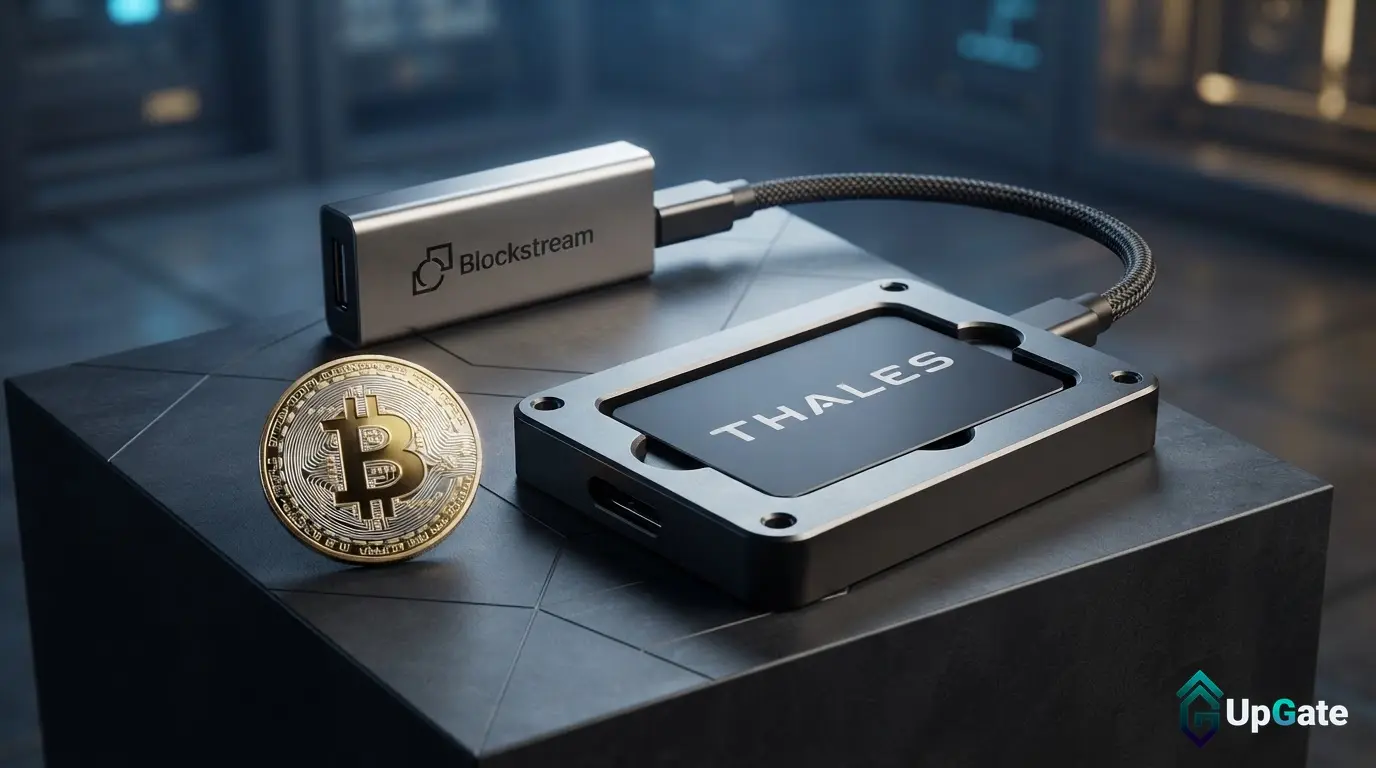
Blockstream announced Friday the launch of a new institutional digital asset custody solution, developed in conjunction with Thales. This system integrates Thales’ hardware security modules (HSMs) with Blockstream’s Secure Multi-Party Computation (Secure-MPC) technology to enhance the security of transaction authorization for institutions.
The solution is designed to allow institutions to authorize transactions while ensuring that cryptographic operations remain within dedicated security hardware. According to Blockstream, the entire signing protocol is executed within the protected environment of Thales’ HSMs. This approach aims to address concerns about the security of digital assets in the face of evolving cyber threats.
Adam Back, co-founder and CEO of Blockstream, whose Hashcash system contributed to Bitcoin’s proof-of-work mechanism, stated that conventional MPC protocols can be overly complex and require significant inter-device communication, making them less practical for fully offline cold storage. Back highlighted the Binance $6.3 billion hack as an example of the risks associated with internet-connected custody infrastructure, emphasizing that keeping signing devices offline can help prevent unauthorized access.
Back also noted that artificial intelligence could exacerbate existing security challenges by assisting attackers in discovering subtle flaws within complex MPC implementations. He suggested that institutions should adapt by moving assets into cold storage to reduce exposure to potential AI-assisted attacks. “Complexity is the enemy of security. And going back to basics is the answer, you know, just cold-store it,” Back added.
Blockstream’s architecture, as described, executes the entire signing protocol within the protected environment of Thales’ HSMs, differing from some conventional MPC implementations where portions of the signing process might occur outside dedicated security hardware. Back expressed hope that the broader custody industry would adopt similar offline security models, though it remains uncertain whether this may occur.
This development comes amid discussions about increasing cybersecurity risks, with some suggesting that AI could complicate security management for digital assets. The focus on offline security and hardware-based transaction signing aims to provide a more robust defense against sophisticated threats.
Why This Matters
The materials describe a narrow update: Blockstream has launched a new institutional digital asset custody solution that combines Thales’ hardware security modules (HSMs) with Blockstream’s Secure Multi-Party Computation (Secure-MPC) technology. Whether the broader custody industry will adopt similar offline security models.
Broader Context
Source materials place the factual news in this context: Blockstream’s new custody system, developed with Thales, uses dedicated hardware for transaction signing as Adam Back advocates for offline security to reduce cyber risks.