Crypto Mogul Slams Binance CEO, Exchange Executive Admits $97.3M Loss
Published
Bitcoin experienced a sharp decline last week, falling from approximately $74,000 to a low of $62,006, reigniting a long-standing feud between OKX founder Xu Mingxing and Binance founder Changpeng Zhao.
MissedBlock Desk · 6 min read
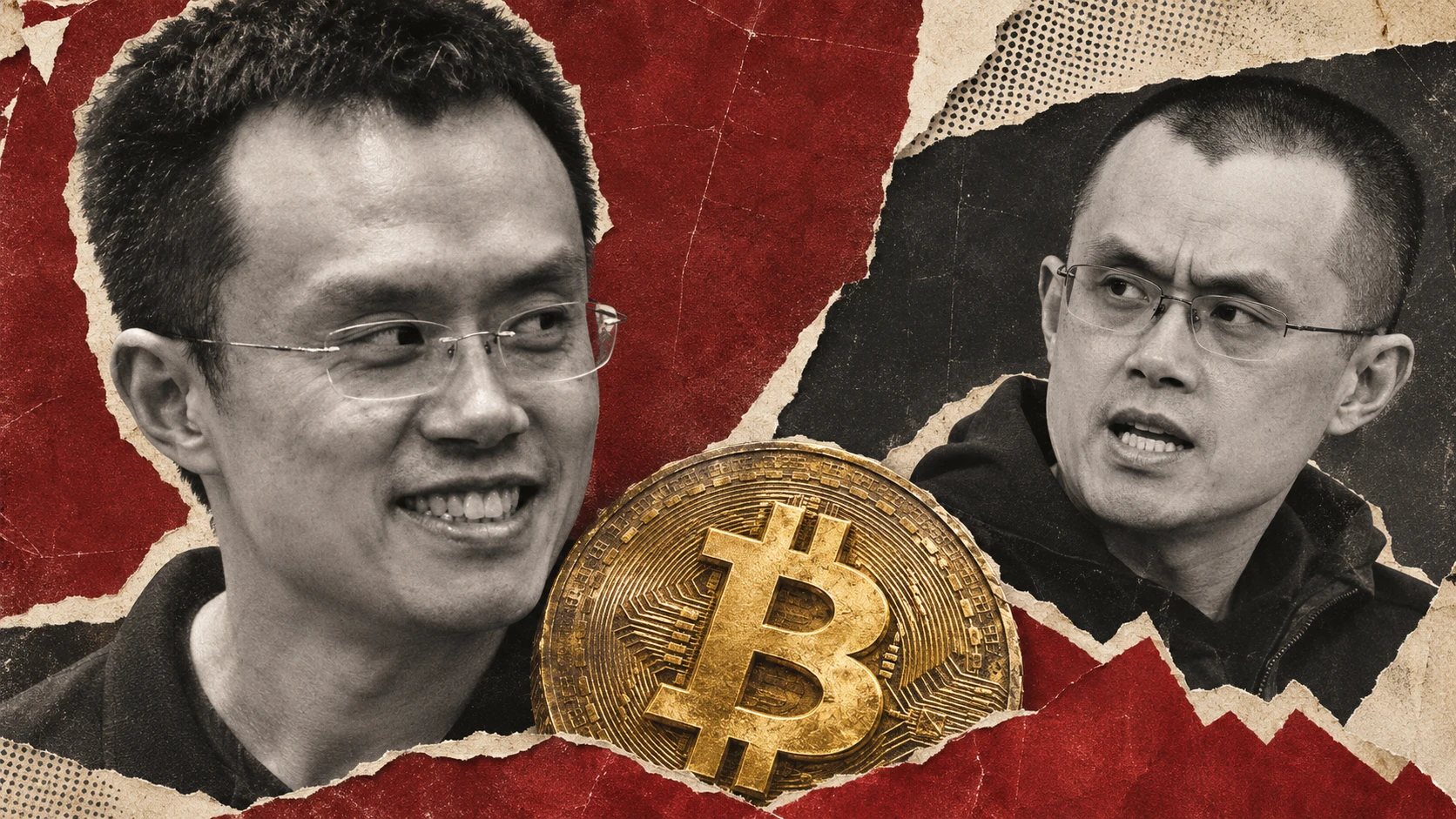
Bitcoin Plummets, Reigniting Feud Between OKX and Binance Founders
Bitcoin experienced a sharp decline last week, falling from approximately $74,000 to a low of $62,006, reigniting a long-standing feud between OKX founder Xu Mingxing and Binance founder Changpeng Zhao. Zhao outlined five potential reasons for the downturn and denied that Binance was selling its holdings, while Binance co-founder He Yi revealed a personal trading loss of $97.3 million between October 17 and November 16.
Market Turmoil and Executive Accusations
The cryptocurrency market has been reeling from a significant downturn, with Bitcoin plummeting from around $74,000 to a low of $62,006 last week, before recovering to near $64,000 at the time of writing. Amidst the market volatility, a public spat erupted between the founders of two of the world’s largest crypto exchanges. Xu Mingxing, founder of OKX, publicly accused Changpeng Zhao, founder of Binance, of misleading users. Zhao, in response, listed five potential factors contributing to the market drop and refuted claims of Binance liquidating its assets. In a rare move, He Yi, another co-founder of Binance, shared a summary of her personal account, disclosing a trading loss of $97.3 million within a single month.
Xu Mingxing’s Accusations
Xu Mingxing, who previously employed Zhao, took to social media on November 15 to voice his criticisms. He questioned the audacity of anyone in the crypto industry, which has endured the fallout from “their stupid incidents” for two consecutive years, to lie to the public so shamelessly. He specifically referenced repeated market crashes occurring in October, followed by claims of responsibility for customer protection and calls for users to maintain a long-term perspective.
Xu Mingxing further alleged that the Binance camp consistently dismisses criticism from users or community members as orchestrated attacks by competitors like OKX, rather than addressing the issues directly. This statement appeared to allude to the market crash in October 2025, which Xu Mingxing attributed to the promotion of high-yield products that encouraged excessive leverage.
Changpeng Zhao’s Rebuttal and Five Factors
Changpeng Zhao responded on the same day, prefacing his remarks by stating, “No one really knows (the reasons). Correlation does not equal causation.” He then enumerated five potential contributing factors to the market decline. The first factor he cited was capital rotation towards Anthropic’s planned initial public offering. Secondly, he pointed to outflows from U.S. spot Bitcoin ETFs, totaling approximately $1.9 billion over seven trading days ending November 13, with Ethereum funds also experiencing redemptions during the same period.
Thirdly, Zhao mentioned security incidents, including the Binance hack, theft from iPhone-related crypto wallets, Chrome vulnerabilities, and disruptions to Microsoft services, suggesting these events might deter some individuals from holding funds on-chain. Fourth, he noted concerns about persistent U.S. inflation, leading to market expectations of further Federal Reserve interest rate hikes, which would typically suppress risk assets like cryptocurrencies due to rising yields and a strengthening dollar. Finally, he highlighted political uncertainty stemming from midterm election results, which could lead to tighter U.S. cryptocurrency regulations.
Addressing rumors of Binance selling its holdings, Zhao stated unequivocally, “Binance is not selling.” He revealed that he had been buying crypto in recent days after receiving some stablecoins, humorously suggesting, “Maybe this is the real reason.” He concluded with a long-term outlook, expressing confidence in the continued growth of the crypto industry, while emphasizing that his statements were his personal views and not investment advice.
He Yi’s Personal Disclosure
Binance co-founder He Yi opted for a different approach to respond. On November 16, she posted a summary of her account, showing a trading loss of $97.3 million between October 17 and November 16. Writing in Chinese, she asserted that the current downturn was temporary and expressed her confidence in holding her positions.
Notably, He Yi did not disclose the structure of her holdings or the extent to which the $97.3 million represented realized losses. When viewed alongside Zhao’s statement about his recent purchases, the situation takes on a nuanced dimension. The exchange founders’ use of personal account figures to bolster market confidence leaves investors with narratives rather than verifiable information.
A History of Discord
The animosity between Zhao and Xu Mingxing predates recent events. Zhao joined OKCoin as CTO in 2014 and departed in 2015, subsequently founding Binance two years later. Following his departure, OKCoin became embroiled in a dispute with early Bitcoin proponent Roger Ver over the Bitcoin.com domain name contract. This led to the existence of two versions of an agreement, one of which allowed OKCoin to terminate the contract six months early.
At the time, OKCoin accused Zhao of misconduct, including document forgery. Zhao denied these allegations, claiming he signed a different version of the agreement and did not recall any termination clauses. Zhao, in turn, accused OKCoin of inflating trading volumes and stated he left after being denied access to the company’s bank statements. Xu Mingxing disputed this account, asserting that the company had lost confidence in Zhao. This rift resurfaced in April 2026, when Xu Mingxing referred to Zhao as a “liar” following the publication of Zhao’s memoir.
Legal and Security Backgrounds
Adding to the context is Changpeng Zhao’s own legal history. He pleaded guilty to violating U.S. anti-money laundering rules in 2023 and resigned as Binance CEO, receiving a pardon from U.S. President Trump in October 2025. Regarding Binance’s security record, the exchange reported a hack on October 29, resulting in the theft of approximately $6.3 billion. Binance subsequently stated it had utilized company funds and a portion of its SAFU (Secure Asset Fund for Users) to cover all affected assets. Zhao cited this incident as one of the reasons for weakening market sentiment, while Xu Mingxing included it in the tally of “October incidents.”
This exchange of accusations, while appearing to be a personal feud, exposes a structural issue: when the founders of the world’s largest exchanges must resort to personal account profits and losses to demonstrate solidarity with users, investors are still presented with narratives rather than verifiable evidence. He Yi’s disclosure of loss figures, not proof of reserves; Zhao’s provision of five general reasons, not on-chain transaction records.
Recurring Patterns and Investor Prudence
Viewing the two October incidents side-by-side provides a clearer context. In October 2025, Bitcoin plummeted from around $122,000 to below $105,000 within hours, with approximately $19 billion in leveraged positions liquidated in a single day. This sell-off was triggered by Trump’s announcement of increased tariffs on China. A year later, in October, Binance experienced a $6.3 billion theft. Both events occurred in the same month and are linked to exchange product design and security capabilities. When the same platforms accuse each other of being the cause of market crashes while urging users to maintain a long-term perspective, investors’ primary recourse for risk mitigation appears to be reducing leverage and diversifying custody.
Bitcoin is currently trading around $64,000, showing little change in the past 24 hours. While prices may stabilize, the feud, which dates back to the OKCoin era, is unlikely to subside. The next time an incident occurs in October, the finger-pointing and accusations of responsibility are likely to follow the same familiar pattern.