FTX Bankruptcy Estate Sold Anthropic Shares for $1.34 Billion; Post-IPO Valuation Shows Significant Hypothetical Upside
Published
Anthropic's recent debut on the Nasdaq has brought the artificial intelligence company's valuation into sharp focus, highlighting a significant difference between the price at which the FTX bankruptcy estate sold its Anthropic shares and their current market value.
MissedBlock Desk · 4 min read
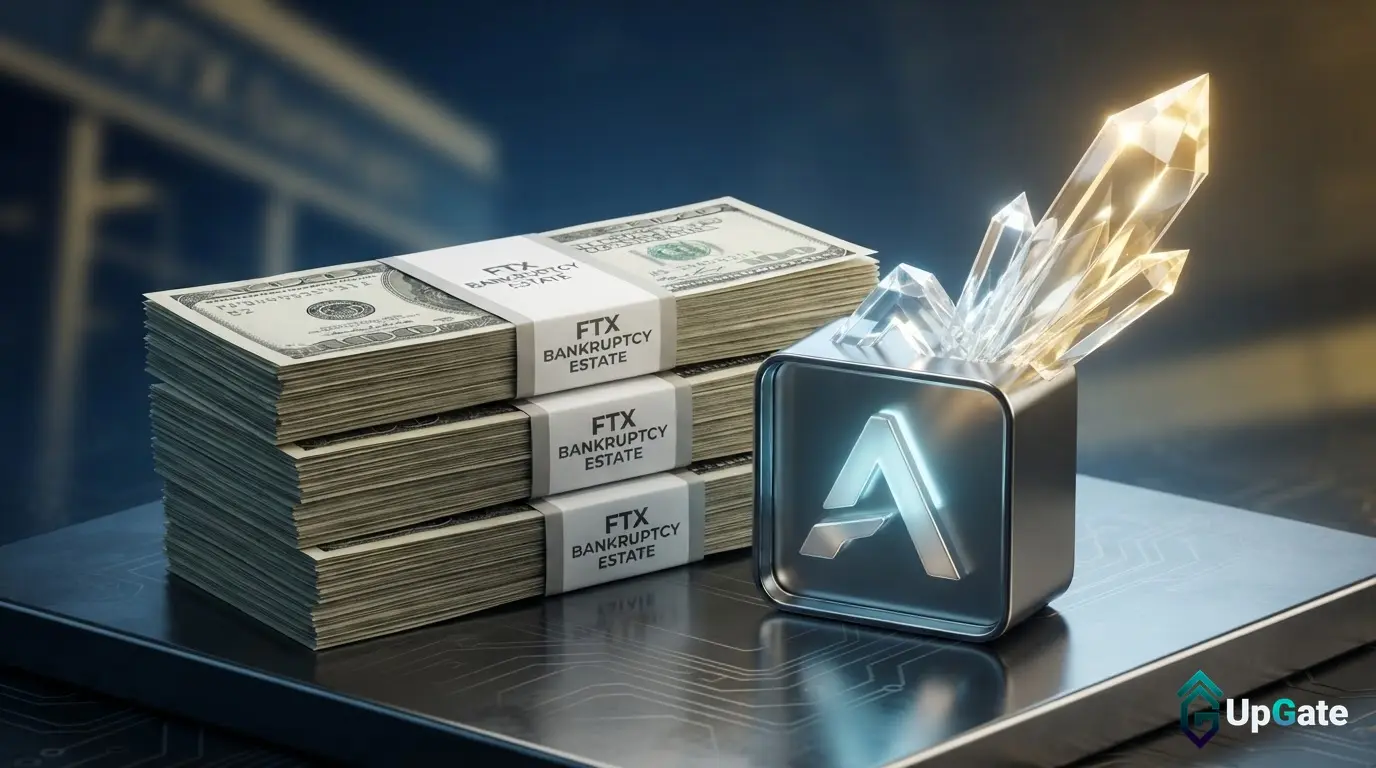
Anthropic’s recent debut on the Nasdaq has brought the artificial intelligence company’s valuation into sharp focus, highlighting a significant difference between the price at which the FTX bankruptcy estate sold its Anthropic shares and their current market value. The FTX estate sold its stake in Anthropic for approximately $1.34 billion in 2024. Following Anthropic’s IPO on November 19, its stock closed at $97.17 on its first day of trading, suggesting the estate’s former shares could now be worth around $43.3 billion.
Anthropic, which listed on Nasdaq under the ticker symbol ANTH, saw its shares close at $97.17 on its debut, a valuation that underscores the substantial growth potential investors see in the AI sector. This post-IPO valuation presents a stark contrast to the amount the FTX bankruptcy estate realized from its sales of Anthropic shares earlier this year. The estate completed two batches of sales in April and June 2024, totaling approximately $1.34 billion.
Investment Context and Bankruptcy Constraints
The FTX and Alameda Research entities initially invested around $500 million in Anthropic in 2021, using customer funds. By February 2024, the FTX bankruptcy estate’s ownership stake had been diluted to approximately 7.84%. The sales of these shares were approved by Judge John Dorsey, with ATIC Third International Investment purchasing about $500 million worth and Jane Street acquiring approximately $100 million from the estate.
The bankruptcy process necessitates the liquidation of assets to repay creditors, a strategy that differs fundamentally from a venture capital approach focused on long-term growth. The FTX bankruptcy estate has an obligation to liquidate assets quickly, a constraint that prevented it from holding onto the Anthropic shares until the IPO and potentially realizing the higher post-IPO valuation. As per the article’s calculation, the sale in 2024 provided a return of approximately 2.7 times the initial investment, with an effective sale price of about $3 per share post-split. This contrasts with the closing price of $97.17 on the first day of trading.
This situation highlights the inherent trade-offs within bankruptcy proceedings. While the estate successfully liquidated an asset for a significant sum, the timing of the sale, dictated by bankruptcy law, meant foregoing the substantial gains that have become apparent following Anthropic’s IPO. The calculation of the potential loss for the FTX bankruptcy estate, estimated at around $41.9 billion based on the difference between the sale price and the current estimated value, is a hypothetical scenario based on hindsight and post-IPO performance.
Broader FTX Context
Sam Bankman-Fried, the founder of FTX, was convicted of seven charges in November 2023 and subsequently sentenced to 25 years in prison in March 2024. The funds used for the initial investment in Anthropic were customer funds, a fact that adds complexity to the narrative of potential gains and losses. The FTX bankruptcy estate, under the oversight of administrators like John Dorsey and Andy Dietderich, is tasked with maximizing returns for creditors through the orderly liquidation of assets. The sale of Anthropic shares, while yielding billions, is presented within this context of necessary liquidation rather than strategic long-term investment.
It is important to note that the exact amount of ‘lost’ profit is a hypothetical calculation based on the post-IPO closing price, and the direct traceability of customer funds to the specific investment proportion is not explicitly detailed. The bankruptcy estate cannot hold onto shares indefinitely and must adhere to a timeline for asset disposition to satisfy creditor claims.
Why This Matters
The materials describe a narrow update: Anthropic went public on Nasdaq, with its stock closing at $97.17 on November 19. This event brings the valuation of Anthropic shares into sharp focus, directly impacting the perceived value of assets previously sold by the FTX bankruptcy estate and raising questions about the effectiveness of bankruptcy asset management. The FTX bankruptcy estate acted under the constraints of bankruptcy law to liquidate assets, a process that, while necessary for creditor repayment, resulted in foregoing significant potential gains from Anthropic’s eventual IPO.
Broader Context
Source materials place the factual news in this context: Anthropic’s IPO pricing was $83, higher than expected, with a fundraising amount of $81.3 billion, surpassing SpaceX. Early investors in Anthropic, like Spark, saw substantial returns, turning $75 million into $7 billion. The FTX bankruptcy estate and creditors, not SBF personally, are the ones who ‘lost out’ on the potential gains. The bankruptcy process prioritizes rapid liquidation and repayment of creditors, which is fundamentally different from a venture capital investment strategy focused on long-term growth.