Iran Central Bank to Block Crypto-Linked Rial Accounts
MissedBlock Desk · · 3 min read
Updated
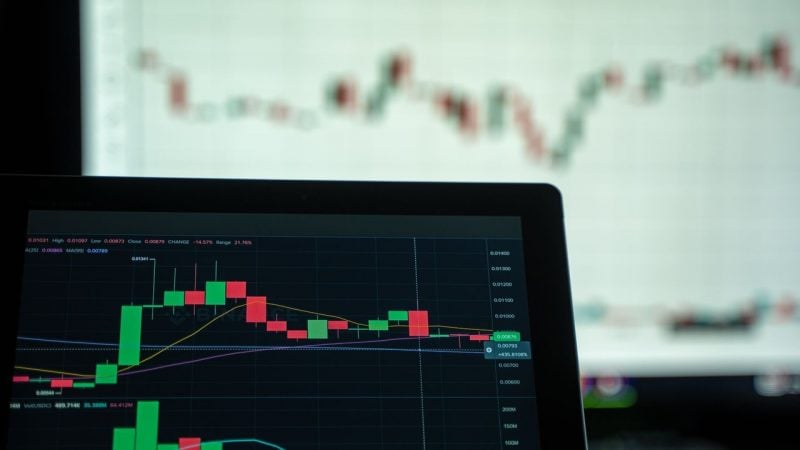
Central Bank of Iran Moves to Block Crypto Exchange Access
The Central Bank of Iran (CBI) is planning to block rial accounts and payment gateways used by some cryptocurrency exchanges, citing concerns over market manipulation. The move would target both the bank accounts where exchanges hold customer deposits and the payment gateways facilitating fund transfers, effectively hindering users’ ability to fund accounts with local currency.
Escalating Restrictions on Crypto Trading
This action follows a series of earlier restrictions. In late September 2026, the CBI implemented temporary limits on trading Tether’s USDT stablecoin against the Iranian toman. These rules capped daily USDT purchases at 2,000 per user on participating exchanges and suspended trading operations nightly between 9:00 PM and 9:00 AM Tehran time.
The platforms initially affected by these September measures included Nobitex and Wallex, two of Iran’s largest domestic exchanges. Ramzinex and Bitpin have since introduced similar trading caps. The September restrictions were intended to be temporary, with expiration dates around October 4 for Nobitex and October 3 for Wallex. It is important to note that these earlier curbs specifically applied to USDT-toman trading pairs and did not prohibit holding or withdrawing USDT.
USDT’s Significance Amid Sanctions
USDT plays a crucial role in Iran’s economy, serving as a digital proxy for the U.S. dollar in a market heavily impacted by U.S. sanctions. Domestic exchanges have become vital entry points for users seeking dollar-pegged stablecoins.
The U.S. government imposed sanctions on Iranian exchanges, including Nobitex, in June 2026. Concurrently, Tether itself has taken action against wallets linked to the Central Bank of Iran, freezing approximately $344 million in April 2026 and $131 million in July 2026 that were associated with CBI-related wallets.
Blockchain analytics firm Elliptic previously identified over $507 million connected to Iranian USDT acquisitions, suggesting that the central bank had been an active participant in purchasing the stablecoin. The same institution now moving to restrict retail access to USDT appears to have been accumulating it prior to Tether’s significant freezes.
Operational Risks for Exchanges
For exchanges like Nobitex and Wallex, the potential blocking of banking rails presents significant operational risks. Already navigating the pressures of U.S. sanctions and temporary trading caps, losing access to core banking services would severely impact their fundamental business of converting Iranian rials into cryptocurrencies.
Tether’s past actions demonstrate that stablecoin issuers can intervene when wallets are linked to sanctioned entities. Iran’s domestic regulatory actions, meanwhile, illustrate how local authorities can exert pressure from the other side. Users are thus caught between the issuer’s ability to freeze tokens and the central bank’s power to cut off the financial channels for acquiring them.
Key developments to monitor include which exchanges will be impacted by the account blocks, whether the temporary September trading limits will be extended, and the subsequent reaction of the Iranian rial. Any further Tether freezes linked to Iranian entities would also provide insight into the issuer’s vigilance over these financial flows.