Korea Eases Financing Rules to Prevent Margin Calls
Published
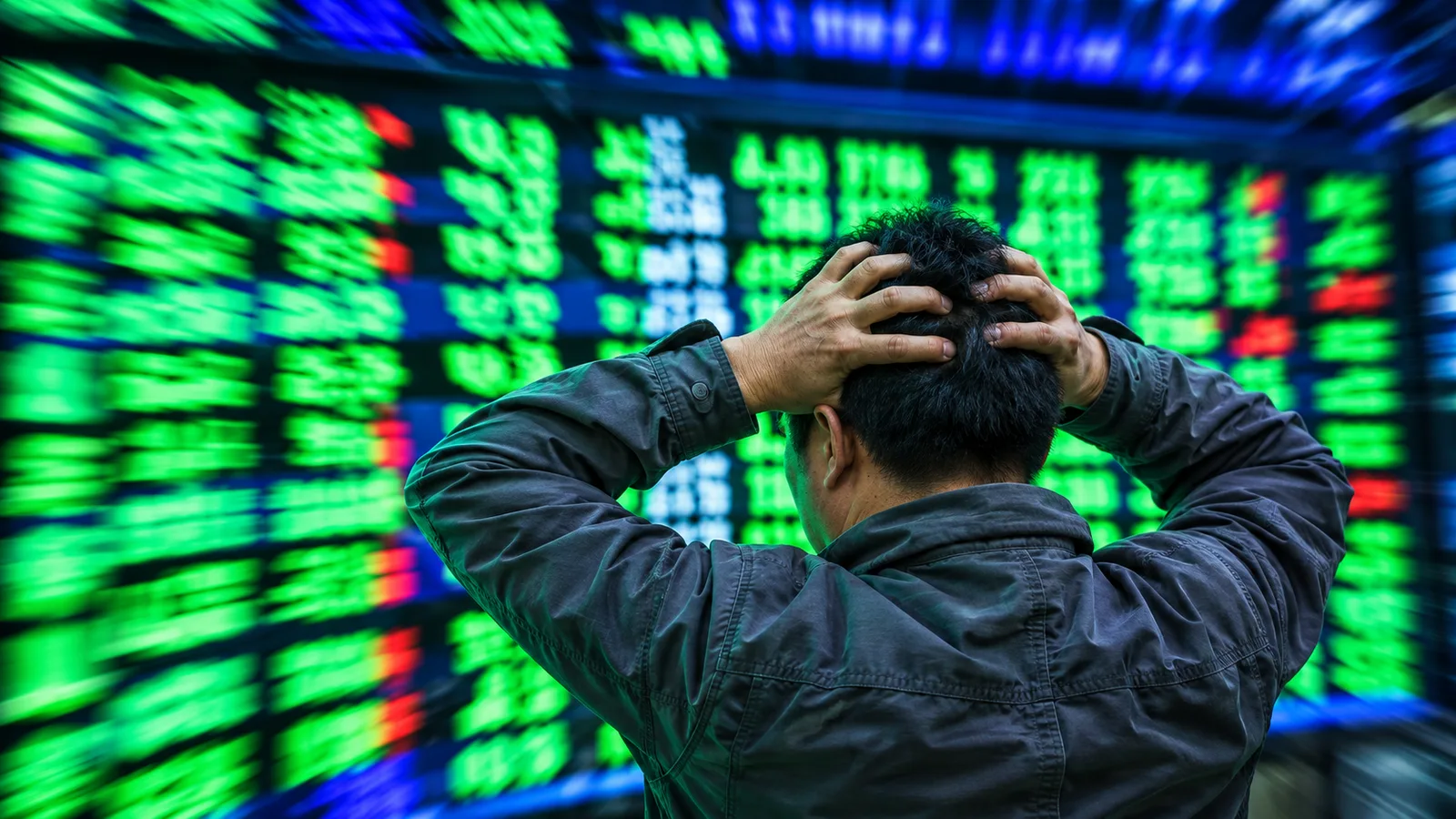
South Korea's KOSPI index triggered its 11th circuit breaker of the year on Monday, ultimately closing down 6.02%.
MissedBlock Desk · 3 min read
South Korean Stocks Plunge, Triggering Circuit Breaker Amid Global Sell-off
South Korea’s KOSPI index triggered its 11th circuit breaker of the year on Monday, ultimately closing down 6.02%. In response, the government convened an emergency market review meeting and announced a three-month exemption from margin maintenance obligations for securities firms.
Nikkei Enters Bear Market Territory
The Nikkei 225 index closed down 3,666.99 points, a 6.00% decline, on Monday. This marks a drop of over 20% from its June peak, officially placing the Japanese stock market in bear market territory.
KOSPI Halts Trading Amid Steep Decline
The sell-off in South Korea was even more severe. According to market data released by the Korea Exchange (KRX), the KOSPI triggered a circuit breaker at 9:03:33 AM local time, leading to a 20-minute trading halt. At the time of the halt, the index stood at 4,924.61, an 8.52% drop from the previous day’s close.
The KOSPI ultimately finished the day at 5,059.65, down 324.15 points or 6.02%. The KOSDAQ also fell 5%, with SK Hynix down over 10% and Samsung Electronics shedding 6.35%.
Government Intervenes to Stabilize Market
The narrowing of the KOSPI’s intraday losses from a peak of 8.55% to 6.02% is attributed to government intervention. A meeting of relevant ministries, chaired by the Deputy Prime Minister and Minister of Economy and Finance on Monday morning, resulted in three key measures:
First, securities firms will be exempted from their obligation to maintain a 140% collateral ratio for margin financing for three months, effective November 9th. This aims to prevent excessive margin calls and forced selling triggered by sharp price declines.
Second, the government is prepared to implement additional market stabilization measures if volatility further escalates.
Third, efforts to improve the fundamental structure of the capital market will continue.
The meeting concluded that the current downturn is primarily driven by a combination of uncertainties surrounding AI industry policies, such as concerns over AI data center regulation, and a contraction in global investor confidence. Officials also noted a tendency for the Korean stock market to overreact to external factors.
Official data indicates that the KOSPI has fallen from a high of 6,838 points on September 30th to 5,075 points by 11 AM on November 6th. However, the government emphasized that the economic growth rate for the year is still projected to be in the mid-3% range, exports are expected to reach $1 trillion, and corporate operating profits are on track to surpass 900 trillion Korean won, indicating that the underlying economic fundamentals remain robust.
Taiwan Prepares Market Support Measures
On the same day, the Taiwanese government also signaled its intention to intervene. The Taiwan Stock Exchange (TAIEX) experienced its largest intraday point drop in history, falling 3,737.67 points at its lowest. Major stocks like TSMC and MediaTek approached their daily limits at the market open. The Financial Supervisory Commission (FSC) announced that it would unveil measures to stabilize the market in the afternoon.