Musk Furious: Iran Used Starlink for Attacks, Why Not Shut It Down?
Published
Iran has reportedly utilized Elon Musk's Starlink satellite internet service to support attacks against U.S.
MissedBlock Desk · 4 min read
Iran Used Starlink to Aid Attacks on U.S. Forces, Report Claims
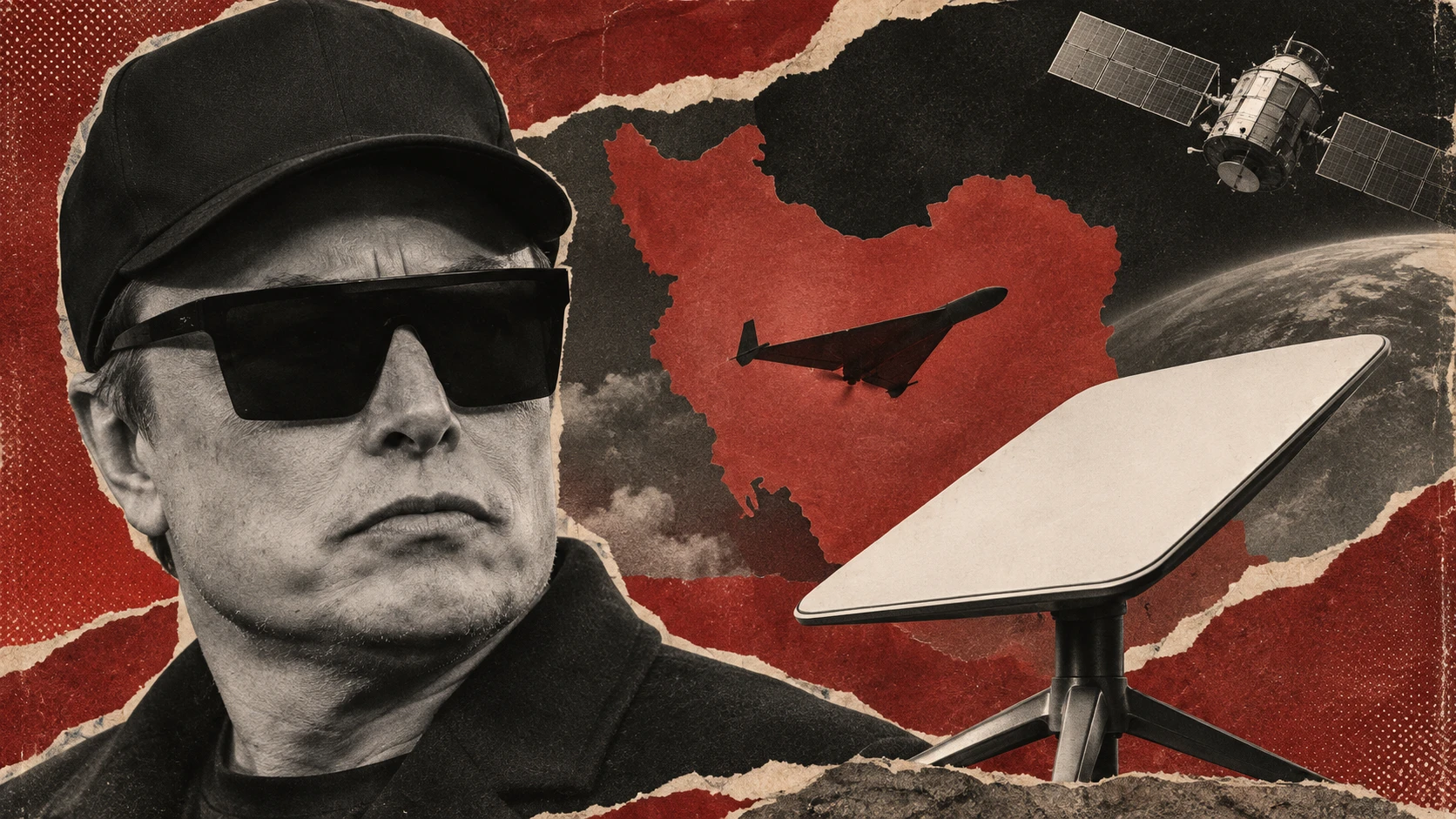
Iran has reportedly utilized Elon Musk’s Starlink satellite internet service to support attacks against U.S. military personnel, according to an exclusive report by The Washington Post on March 28. Four individuals familiar with the operations confirmed the assertion.
Musk was reportedly informed of the situation in the first week of March, shortly after the U.S. and Israel began bombing Iran. Two sources close to internal company discussions stated that Musk was furious, with one individual claiming at least two SpaceX executives were fired by the end of that week. The Washington Post did not name the executives. SpaceX and Musk did not respond to The Washington Post’s inquiries.
Another source indicated that a classified battlefield update provided to Defense Secretary Pete Hegseth over the summer briefly mentioned Iran’s use of Starlink to command troops and oversee suicide drone attacks. A Pentagon spokesperson declined to comment on whether Iran had used Starlink for military operations.
Iran has officially banned the use of Starlink by its citizens, citing national security concerns. Possession of the technology can lead to imprisonment, and charges related to national security or espionage could carry the death penalty. In October, Iranian officials denounced Starlink as a tool used by enemies for “command and control,” a claim now contradicted by reports that Iran itself has been using it for the same purpose.
There are two primary avenues through which Starlink terminals could have reached Iran. One is through smuggling and subsequent confiscation. Historically, activation was possible with a credit card, allowing dissidents to register accounts in other countries and bring terminals into Iran. According to The Wall Street Journal, the Trump administration also smuggled over 6,000 terminals into the country following Iran’s crackdown on protests in January.
Reuters reported in May that Iranian authorities confiscated terminals as hostilities escalated. The number that may have fallen into the hands of the military remains undisclosed. One satellite industry executive noted that once authorities confiscate terminals, “they can inevitably use them.”
Another method involves shell companies. Stan Bauer, a former U.S. Treasury sanctions lawyer, stated that Iran frequently establishes seemingly legitimate companies in third countries for procurement, which can “easily deceive a legitimate U.S. exporter.”
Analysts suggest that SpaceX possesses the capability to deactivate any terminals detected within Iran but has largely refrained from doing so, as dissidents and ordinary citizens rely on the service to circumvent internet blackouts. Starlink was even made available for free in Iran during a nationwide internet shutdown in January.
“Their dilemma is either to shut down the service for the entire country, preventing even dissidents from using it, or to keep it active in the country, potentially allowing the Revolutionary Guard to use it in weapons systems,” said one satellite industry executive. Holly Dagres of the Atlantic Council’s Middle East Policy Initiative stated that the internet is the sole channel for Iranians to voice themselves externally, and she is aware that the Trump administration also wished to avoid cutting off access for this reason.
Ukraine has implemented a solution: since February, its military has provided SpaceX with a whitelist of legally registered terminals, with all others being disconnected. However, this approach is not feasible in Iran. The executive discussing the dilemma explained, “In Iran, there is no ‘good’ governing body that SpaceX can trust to manage a whitelist for them.”
SpaceX’s recourse has been to tighten controls from the periphery. Within hours of the attack on the port of Shu’aiba, the company required aircraft traveling over 100 miles per hour (approximately 160 kilometers per hour) to verify their identity, and the mobility of standard plans was limited to under 100 miles per hour. In the weeks that followed, distributors were required to prove they knew the identity of each buyer, and downstream resale was also suspended.
However, two individuals familiar with Starlink services stated that once terminals are outside of controlled distribution, the risk of them falling into enemy hands is nearly impossible to eliminate.