Solana Aims for Robust Nonces Amid $270M Hack Fallout and Pump.fun Criticism
Published
Solana developers are moving to eliminate a transaction feature that was exploited in the April hack of Drift Protocol, which resulted in a loss of $270 million.
MissedBlock Desk · 4 min read
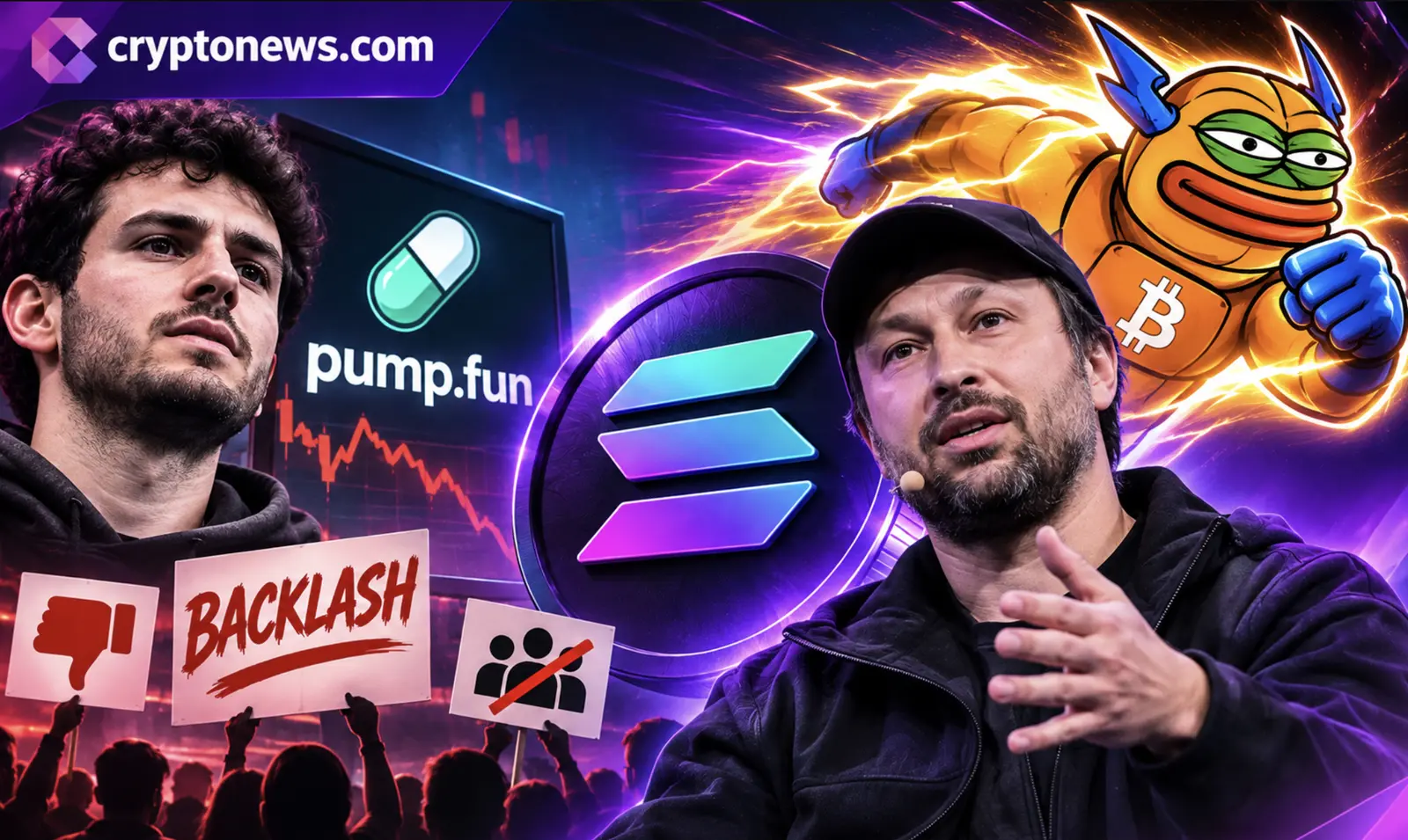
Solana developers are moving to eliminate a transaction feature that was exploited in the April hack of Drift Protocol, which resulted in a loss of $270 million. This proposed change signifies a significant alteration in how the network manages offline approvals, with potential ramifications for exchanges and institutional custodians.
SIMD-0723: The End of Durable Nonces
The proposal, designated SIMD-0723, aims to retire a mechanism that allowed signed transactions to remain valid indefinitely. Reports indicate that attackers leveraged this functionality to execute pre-approved transactions more than a week after obtaining signatures from Drift’s security council.
Normal Solana transactions rely on recent blockhashes that expire within approximately 30 seconds. Durable nonces, however, replace these temporary references with stored values, enabling transactions to remain executable until the nonce is advanced. This feature was initially designed to accommodate legitimate operational needs, such as the extended offline signing procedures often required by exchanges, custodians, and multisig organizations that exceed Solana’s standard transaction window.
However, this convenience was exploited as an attack vector against Drift on April 1, 2026. Attackers reportedly obtained administrative approvals through air-gapped signing systems and then delayed submitting the transactions for over a week. Once submitted, these approvals allowed the attackers to gain control of the protocol and drain at least $270 million. Drift later attributed the attack to a group linked to North Korea.
The SIMD-0723 proposal, filed on November 5 by Anza contributor Gabe Rodriguez, would mandate that transactions utilize recent blockhashes after activation. The earliest proposed date for mainnet activation is May 5, 2027, though the change still requires technical approval and migration planning. Solana is also investigating alternative programs that could support offline signing without relying on durable nonces, which would introduce different authorization and transaction-failure considerations for custodians.
This proposed change compels institutional users to re-evaluate their transaction authorization processes on Solana.
Pump.fun Faces Scrutiny
Concurrently, Solana is confronting another challenge within its retail ecosystem. The platform Pump.fun is drawing increasing criticism from the community regarding its platform fees, influencer promotions, and allegations of hidden-wallet trading.
On November 6, blockchain tracker Lookonchain reported that Pump.fun transferred 76,111 SOL, valued at approximately $6.85 million, to Kraken. This transaction reignited criticism over the platform’s fees and whether its incentives adequately benefit ordinary traders.
Furthermore, Bubblemaps accused prominent influencers of using undisclosed wallets to purchase tokens before publicly endorsing them. Their investigations estimated combined trading profits and promotional rewards of $125,000 involving influencer Ethan. Separate allegations surfaced on November 7 concerning paid streamer collaborations, intensifying questions about transparency within Pump.fun’s promotional ecosystem.
While these controversies stem from different issues than the Drift exploit, they highlight a shared challenge: maintaining confidence among ecosystem participants.
Bitcoin Hyper Explores Alternative Execution
The ongoing focus on security and transparency within the Solana ecosystem presents an interesting opportunity for Bitcoin-focused projects exploring alternative execution environments.
Bitcoin Hyper is developing a Bitcoin Layer 2 solution utilizing Solana Virtual Machine (SVM) technology. Its architecture aims to combine SVM’s high-speed execution capabilities with Bitcoin-based settlement, thereby introducing smart contracts, decentralized exchanges, and staking functionality to BTC.
This project is not merely another Solana application. Its design leverages SVM for execution while anchoring its Layer 2 state to Bitcoin through periodic commitments and zero-knowledge proofs. This approach offers a distinct proposition compared to Solana-native applications, allowing developers to work within an execution environment associated with Solana’s performance while targeting Bitcoin’s established settlement infrastructure.
Bitcoin Hyper has achieved several development milestones, with its testnet currently live and a public explorer available for users to inspect transactions and network activity. The project’s presale has raised approximately $33.2 million, with the HYPER token priced at $0.0136. The presale is scheduled to conclude on November 26.
The upcoming transition to mainnet, wallet infrastructure development, and exchange listings mark a critical stage for the project. Its combination of Bitcoin settlement and SVM execution positions it uniquely within the expanding Bitcoin Layer 2 sector.