Trump SEC Nominee Backs Tokenized Stock Legislation, Exempts from Public Comment
Published
The U.S.
MissedBlock Desk · 5 min read
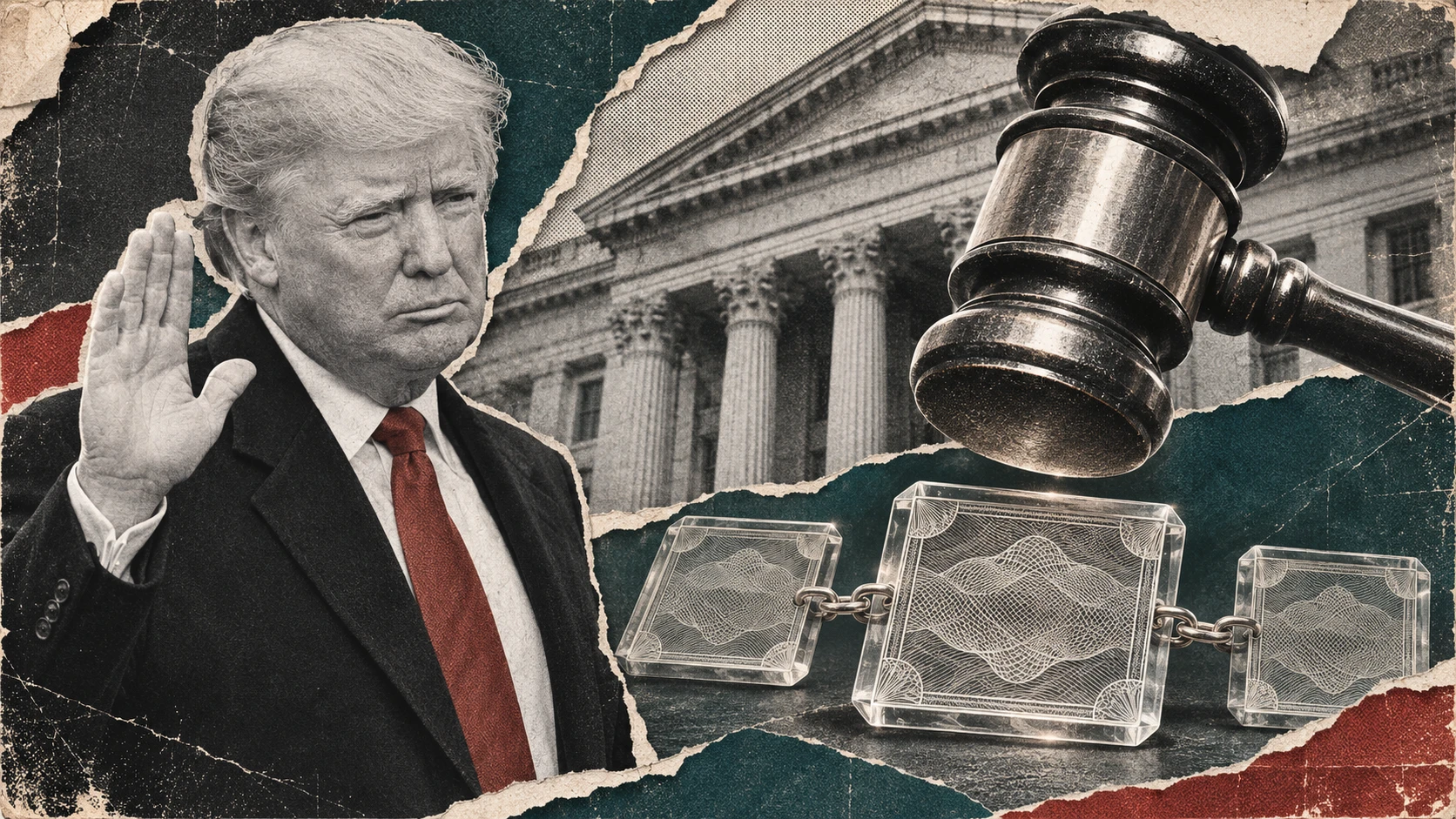
Senate Banking Committee Reviews Trump’s SEC Nominees Amid Tokenized Stock Debate
The U.S. Senate Banking Committee on Thursday reviewed President Trump’s nominees for two open seats on the Securities and Exchange Commission (SEC). The hearing focused heavily on the regulation of tokenized securities, with both Democratic and Republican nominees offering their perspectives.
Kristin Johnson, a former Commodity Futures Trading Commission (CFTC) commissioner nominated by Democrats, stated her preference for handling tokenized stock trading exemptions through a formal legislative rulemaking process, citing concerns over Anti-Money Laundering (AML) and Know Your Customer (KYC) compliance. Steven Levine, a Republican nominee and former aide to SEC Commissioner Mark Uyeda, countered by pointing to the precedent set by Exchange Traded Funds (ETFs), suggesting that exemptions are a common pathway for financial innovation. If confirmed, these appointments would shift the SEC’s composition to three Republicans and one Democrat.
Formal Rulemaking vs. Notice-and-Comment for Tokenized Stocks
During the confirmation hearing, Democratic Senator Angela Alsobrooks pressed Johnson on the SEC’s recent “innovation exemption.” Johnson expressed her strong belief that rules developed through a “notice and comment” procedure would be superior, indicating her willingness to address issues covered by SEC exemptions via this formal rulemaking process. This stance signals support for formal legislative procedures to govern tokenized stock trading.
The core of the debate revolves around an innovation exemption issued by the SEC on September 17. This order permits qualifying platforms to trade on-chain versions of U.S. listed stocks (NMS stocks) under specific conditions without needing to register as securities exchanges. The order took effect immediately, while also opening a period for public comment on potential modifications.
Johnson also highlighted AML and KYC compliance issues as reasons for opposition to the exemption, emphasizing that concerns extend beyond investor protection. As a former CFTC commissioner, she is the sole Democratic nominee among the current candidates.
Levine acknowledged that he had not deeply examined the innovation exemption but understood it includes a sunset provision and investor protection mechanisms. He stressed that Congress has historically authorized the SEC to grant exemptions from federal securities laws when it serves the public interest and investor protection. He cited the example of ETFs, noting that financial innovations often emerge through regulatory exemptions before being incorporated into general rules.
Growing Opposition to the Innovation Exemption
The exemption has faced significant backlash since its implementation. According to a public notice dated November 5, 67 publicly traded companies have expressed opposition to their stocks being tokenized on the OKXICE platform. Reports indicate that this list continued to grow in early November, including major blue-chip stocks.
OKXICE, a joint venture between the exchange OKX and Intercontinental Exchange (ICE), the parent company of the New York Stock Exchange, is slated to launch on November 23, operating on an on-chain, 24/7 trading model. This means the exemption allows the platform to begin operations while corporate and congressional concerns are still mounting.
SEC’s Future Composition and Policy Influence
If both nominees are confirmed by the Senate, the five-member SEC commission would be nearly full with four commissioners, creating a 3-1 Republican-to-Democrat ratio. Johnson would become the sole Democratic commissioner. Jessica Martinez, U.S. Policy Director at digital asset infrastructure company Fireblocks, commented that crypto is not a partisan issue and that rules produced by a bipartisan commission would stand on a more solid foundation. She also suggested that even minority commissioners can influence policy by challenging proposals and demanding that outstanding issues be resolved first.
Following the hearing, senators are required to submit written supplemental questions by Friday noon, with nominees expected to respond by 5 p.m. EST on November 24. The nominations will likely proceed to a committee vote before being sent to the full Senate for consideration.
A Path of “Exemption First, Legislation Later”
This hearing can be viewed within the broader U.S. regulatory context as a “exemption first, legislation later” approach. The SEC’s immediate-effect exemption allows tokenized stock platforms to operate while soliciting public comment, effectively deferring the rulemaking process. Johnson’s advocacy for the notice-and-comment procedure essentially calls for this initial operational period to be framed within an predictable structure, preventing the rules platforms must follow from shifting with political winds. Notably, even the Democratic nominee supports the direction of exemptions itself, focusing only on procedural aspects and AML/KYC safeguards. This suggests that tokenized stocks in the U.S. have moved beyond the debate of “whether to do it” and into the phase of “how to regulate it.”
Asian Markets Accelerate Tokenization Efforts
Asian markets have also seen accelerated activity in recent months. The Monetary Authority of Singapore recently completed its first delivery versus payment for tokenized notes using a central bank digital currency, valued at approximately S$100 million (about $77.5 million). Hong Kong and Japan are also advancing pilot programs for tokenized bonds and securities, respectively. In contrast, Taiwan’s current virtual asset legislation primarily focuses on the management of trading platforms and operators, with no specific regulations yet in place for products like tokenized stocks. If the U.S. exemption model generates significant trading volume, Asian brokerages and local platforms could face competitive pressure not just from technological disparities but from the existence of two sets of rules for the same stock.
Key Factors to Watch
Two key points will be crucial for future observation: First, whether Johnson provides further clarification on her stance regarding specific exemption conditions in her written response by November 24. Second, whether the opposition from the 67 companies escalates from public notices to legal challenges or lobbying efforts, which will directly determine how many major blue-chip stocks voluntarily participate on platforms like OKXICE.